



A fast-funding small business loan is financing that can be approved and deposited in 1 to 3 business days, usually through an online lender or an alternative financing provider. Speed depends on how quickly your bank statements are verified and how clean your documentation looks. Most delays come from missing paperwork or identity mismatches, not from lenders moving slowly.

A working capital loan is business financing used to cover day-to-day operating expenses—such as payroll, rent, inventory, and vendor bills—rather than long-term assets like real estate. You receive a lump sum and repay it over a fixed term, usually with daily, weekly, or monthly payments. This is different from a business line of credit, which provides a revolving spending limit

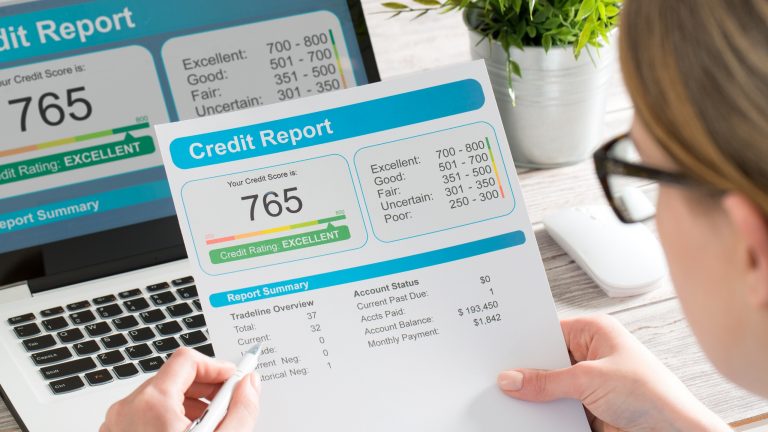
Quick MCA Requirements for 600 Credit Score (One-Screen Summary) Bank denial is common. Banks underwrite based on fixed-payment affordability and often require higher credit scores, collateral, and tax returns. MCAs are primarily revenue-based. If your credit score is around 600 and your deposits are steady, your bank statements—not your FICO—usually determine whether you’re approved for an MCA and what it

Same-week MCA funding is usually a documentation and verification issue, not a credit-score issue. Your deposits and trends matter more than your FICO. Understanding the difference between approval, contract signing, and funding disbursement is critical.
Approval means an underwriter reviewed your statements and offered terms. Contract signing means you agreed to the factor rate, holdback, and total payback. Funding


If you need financing for your business in 2026, understanding current SBA loan interest rates can save you thousands of dollars. In 2026, SBA 7(a) interest rates are generally priced as a base rate (usually Prime) plus a lender spread, with SBA-set maximum caps that depend on loan size and whether the rate is fixed or variable. This guide provides

As if protecting personal credit wasn’t stressful enough, business leaders have another credit score to worry about. It’s called your business credit score, and it has a significant effect on your capacity to grow. Without strong business credit, beneficial business partnerships and financial resources are much harder to obtain. Though business and personal credit have several commonalities, establishing and maintaining

Business growth is a scary endeavor. There are so many uncertainties and potential mistakes lying ahead. First off, it’s often difficult to tell if your business is even ready to grow at all. Is this the right time to make significant changes? How do you know if you’re growing too fast? Countless failed businesses believed they were ready to grow,

At first, seasonality seems more like a weakness than a strength in the business world. However, virtually all businesses experience some degree of seasonality. What business doesn’t have customers whose behavior is influenced by the weather? For certain industries, that influence is just a little more extreme.

It’s not hard to see how terrified many small business owners are of debt. They often complain that they can’t find the working capital to grow or stabilize their businesses. The solutions are right in front of them (business loans, business credit cards, etc.), but many act as if they don’t exist. Why do they do this? One possibility is

Even the most intelligent business leaders have trouble understanding small business taxes. They might not know the many different types of taxes they have to pay, how each rate is calculated, or which factors have the most significant impact on their final tax bill. Each question’s answer isn’t entirely clear because it depends on various factors, like business structure and