

A business car lease is a fixed-term agreement to use a vehicle without owning it. Payments cover expected depreciation plus a financing charge; the company returns or buys the car at the end of the term, with mileage limits and condition standards set up front.

What Is a UCC Filing? A UCC filing is a creditor’s public notice of its security interest in the business assets a borrower pledges as collateral. The name comes from the Uniform Commercial Code (UCC), which governs commercial transactions across all 50 states. Article 9 covers secured transactions in personal property. The same code also governs negotiable instruments and other
A fast-funding small business loan is financing that can be approved and deposited in 1 to 3 business days, usually through an online lender or an alternative financing provider. Speed depends on how quickly your bank statements are verified and how clean your documentation looks. Most delays come from missing paperwork or identity mismatches, not from lenders moving slowly.
A working capital loan is business financing used to cover day-to-day operating expenses—such as payroll, rent, inventory, and vendor bills—rather than long-term assets like real estate. You receive a lump sum and repay it over a fixed term, usually with daily, weekly, or monthly payments. This is different from a business line of credit, which provides a revolving spending limit
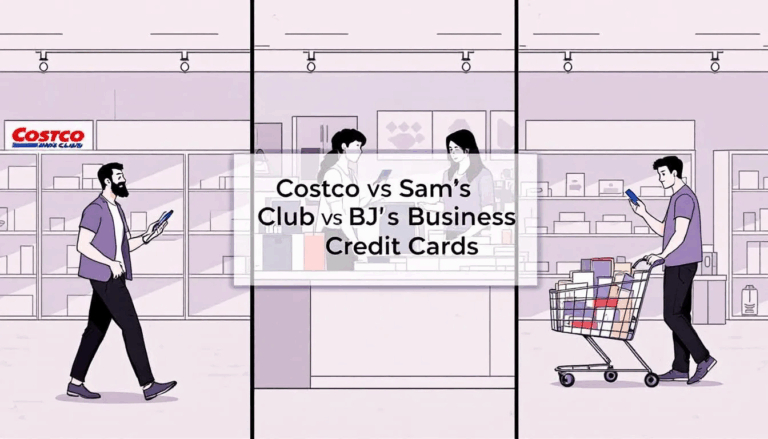
Each wholesale club’s card excels for a different type of business. Costco’s program is best suited for companies with heavy travel and dining budgets, Sam’s Club is ideal for fuel-intensive operations, and BJ’s is the most rewarding for frequent in-store buyers with smaller-ticket purchases.
Choosing the right card isn’t just about which wholesale club is closest to your business—it’s about

For small business owners in the manufacturing industry who need immediate working capital and don’t want to add debt, traditional loans won’t work. One financing solution is manufacturing invoice factoring. In factoring, a company sells its accounts receivable in exchange for an upfront cash advance.

For many government contractors, waiting for payments puts them in a cash flow bind. Cash is the lifeblood of your business, and cash flow interruptions limit your company’s ability.
Government invoices are valuable assets, and some companies use invoice factoring to convert those assets into cash.

Financial institutions must apply for approval to offer SBA loans. The government agency helps small business owners connect with SBA-approved lenders with its Lender Match tool.
This brief guide is designed to help you use the tool and your other options for finding a lender.

SBA lenders often require a down payment on SBA loans because it demonstrates financial responsibility as well as a willingness to share some risk of the loan. When you make a down payment, you put some “skin in the game” and show that you’re invested in paying off the loan.

One of the more challenging aspects of SBA loans is that you must meet both SBA and lender requirements. The SBA does not set minimums for personal credit scores, time in business, or revenue. It does, however, set basic eligibility and FICO SBSS requirements.
Even if you meet the SBA’s requirements, each lender sets credit score, time in business, and