


A business car lease is a fixed-term agreement to use a vehicle without owning it. Payments cover expected depreciation plus a financing charge; the company returns or buys the car at the end of the term, with mileage limits and condition standards set up front.

A fast-funding small business loan is financing that can be approved and deposited in 1 to 3 business days, usually through an online lender or an alternative financing provider. Speed depends on how quickly your bank statements are verified and how clean your documentation looks. Most delays come from missing paperwork or identity mismatches, not from lenders moving slowly.
A working capital loan is business financing used to cover day-to-day operating expenses—such as payroll, rent, inventory, and vendor bills—rather than long-term assets like real estate. You receive a lump sum and repay it over a fixed term, usually with daily, weekly, or monthly payments. This is different from a business line of credit, which provides a revolving spending limit

Quick MCA Requirements for 600 Credit Score (One-Screen Summary) Bank denial is common. Banks underwrite based on fixed-payment affordability and often require higher credit scores, collateral, and tax returns. MCAs are primarily revenue-based. If your credit score is around 600 and your deposits are steady, your bank statements—not your FICO—usually determine whether you’re approved for an MCA and what it

Same-week MCA funding is usually a documentation and verification issue, not a credit-score issue. Your deposits and trends matter more than your FICO. Understanding the difference between approval, contract signing, and funding disbursement is critical.
Approval means an underwriter reviewed your statements and offered terms. Contract signing means you agreed to the factor rate, holdback, and total payback. Funding

Small businesses often need financing help, but approval rates for a traditional small business loan have remained low since the recession of 2007/2008. Getting approved usually requires excellent credit, several years in business, and high annual revenue.
However, there are various alternative business financing options to help business owners who can’t qualify for a traditional loan. Merchant cash advances (sometimes

It’s common for business owners to need financing help at some point. But what are your options if you have bad credit or no credit?
While bad credit business loans are more available, you might be able to find business funding without a credit check. However, the few no credit check business loan options typically have higher interest rates or

Most small businesses need financing help at some point, whether to sustain operations during a downturn or to power growth and new opportunities. However, many small business owners struggle to qualify for business loans when needed.
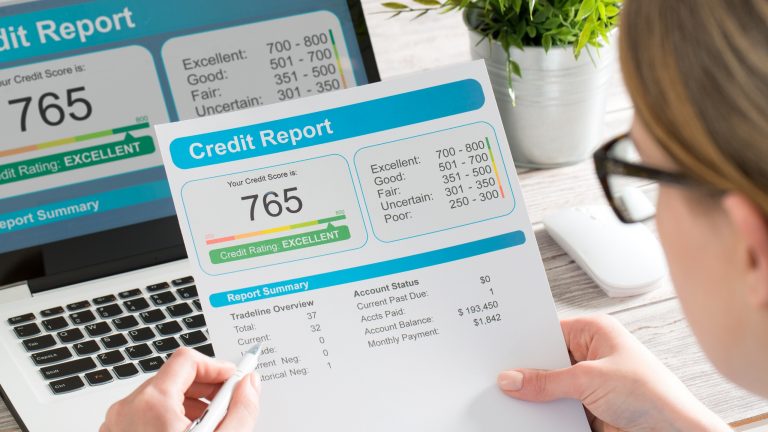
Your credit history is one of the most important considerations in business loan approval. Lenders will review your credit reports and scores to determine

Business owners with a low credit rating might think they lack financing options. However, several lenders offer unique loans and funding structures to serve low-credit borrowers.
The problem with a low-credit business loan is that it’s typically more expensive and has a lower borrowing amount than a conventional loan. But those drawbacks could be worth it if it helps you

People sometimes confuse commercial lending and small business loans, but financing options for small businesses are a subset within the larger commercial loan umbrella. Commercial lenders include any financial institution that provides funding for businesses of any size.
However, small business owners typically struggle to get financing from traditional lenders, like commercial banks. Fortunately, alternative lenders fill that need by