


A business car lease is a fixed-term agreement to use a vehicle without owning it. Payments cover expected depreciation plus a financing charge; the company returns or buys the car at the end of the term, with mileage limits and condition standards set up front.

A fast-funding small business loan is financing that can be approved and deposited in 1 to 3 business days, usually through an online lender or an alternative financing provider. Speed depends on how quickly your bank statements are verified and how clean your documentation looks. Most delays come from missing paperwork or identity mismatches, not from lenders moving slowly.

A working capital loan is business financing used to cover day-to-day operating expenses—such as payroll, rent, inventory, and vendor bills—rather than long-term assets like real estate. You receive a lump sum and repay it over a fixed term, usually with daily, weekly, or monthly payments. This is different from a business line of credit, which provides a revolving spending limit

Quick MCA Requirements for 600 Credit Score (One-Screen Summary) Bank denial is common. Banks underwrite based on fixed-payment affordability and often require higher credit scores, collateral, and tax returns. MCAs are primarily revenue-based. If your credit score is around 600 and your deposits are steady, your bank statements—not your FICO—usually determine whether you’re approved for an MCA and what it

Same-week MCA funding is usually a documentation and verification issue, not a credit-score issue. Your deposits and trends matter more than your FICO. Understanding the difference between approval, contract signing, and funding disbursement is critical.
Approval means an underwriter reviewed your statements and offered terms. Contract signing means you agreed to the factor rate, holdback, and total payback. Funding

SBA loans cannot be used to buy properties solely for investment. These loans are designed for business purposes, which means they support businesses purchasing real estate for their operations, not just for renting out.
Understanding the difference is crucial. An SBA loan can finance a property if it serves a business need. For example, a restaurant owner can buy a

Cross-collateralization allows businesses to use existing collateral as security for multiple loans. This means a single asset can back several loans. For example, a small business may use its building and equipment to secure a commercial mortgage and a secured business loan.

Understanding the difference between business cash advances and loans can help you make smarter financial choices. Business cash advances provide quick access to funds based on future sales, while loans are typically more significant amounts with fixed repayment terms. Each option has perks and downsides, impacting your business’s cash flow differently.

Loan rates represent the percentage of interest charged on borrowed funds. These rates can vary significantly. Current commercial loan interest rates, as of July 2024, range from 7% to 99%. Many factors influence these rates, including the type of loan and the lender’s policies.
Understanding loan rates is crucial for financial planning. Business owners must know the current business

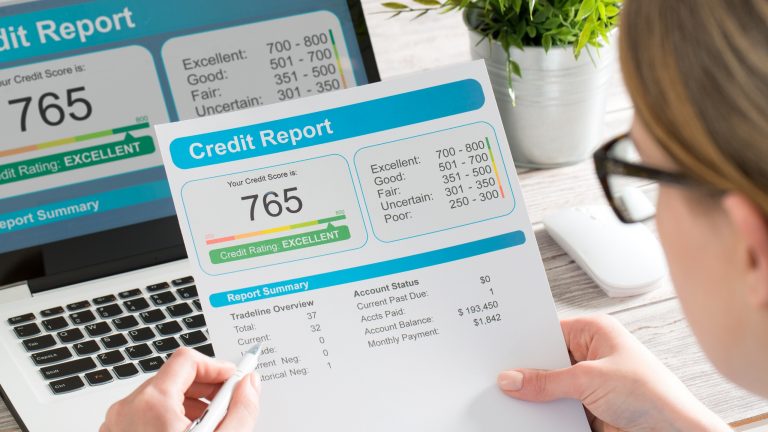
Credit scores play a crucial role in determining business loan eligibility. Lenders assess these scores to evaluate the creditworthiness of potential borrowers. Business lenders typically consider the business’s credit score and the personal credit score of the business owner(s).
Most lenders review your personal credit to determine financial responsibility and the likelihood of repayment. This is especially true of