

A business car lease is a fixed-term agreement to use a vehicle without owning it. Payments cover expected depreciation plus a financing charge; the company returns or buys the car at the end of the term, with mileage limits and condition standards set up front.

A fast-funding small business loan is financing that can be approved and deposited in 1 to 3 business days, usually through an online lender or an alternative financing provider. Speed depends on how quickly your bank statements are verified and how clean your documentation looks. Most delays come from missing paperwork or identity mismatches, not from lenders moving slowly.
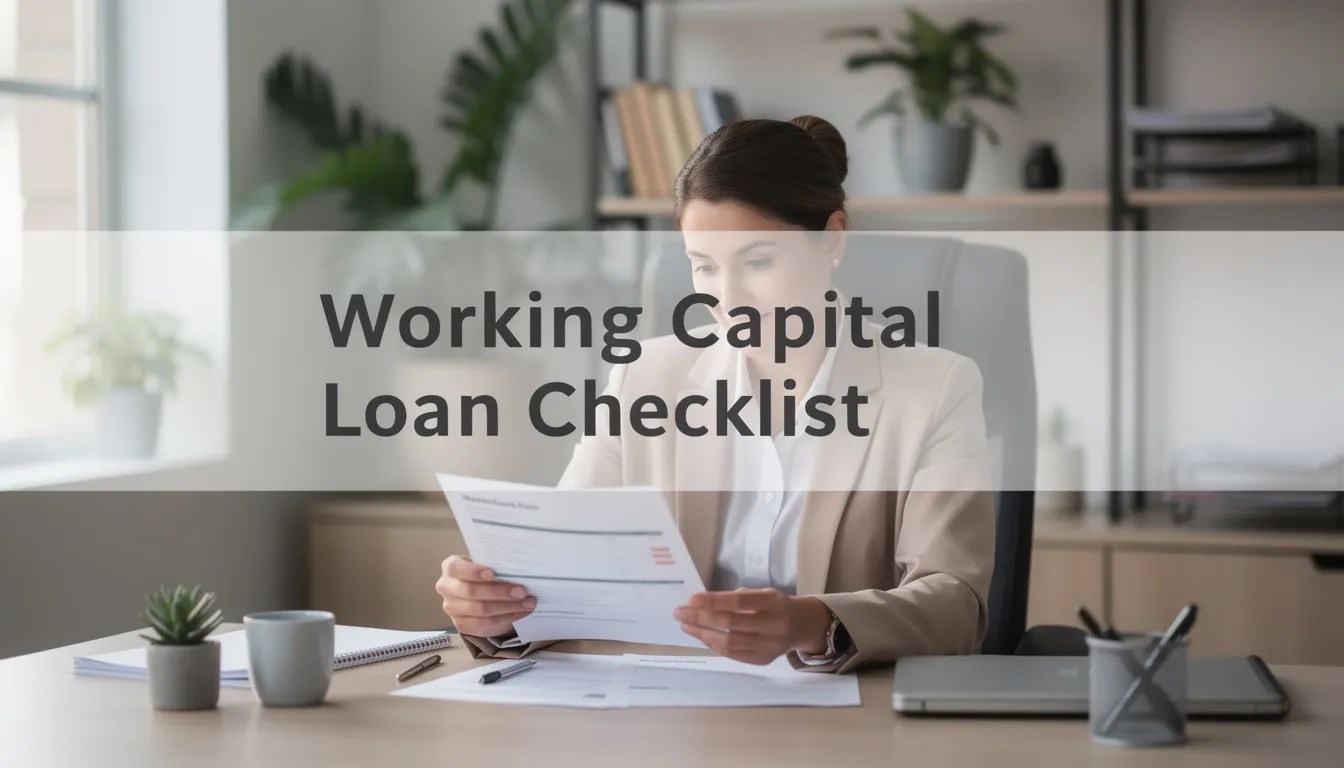
A working capital loan is business financing used to cover day-to-day operating expenses—such as payroll, rent, inventory, and vendor bills—rather than long-term assets like real estate. You receive a lump sum and repay it over a fixed term, usually with daily, weekly, or monthly payments. This is different from a business line of credit, which provides a revolving spending limit

Quick MCA Requirements for 600 Credit Score (One-Screen Summary) Bank denial is common. Banks underwrite based on fixed-payment affordability and often require higher credit scores, collateral, and tax returns. MCAs are primarily revenue-based. If your credit score is around 600 and your deposits are steady, your bank statements—not your FICO—usually determine whether you’re approved for an MCA and what it

Same-week MCA funding is usually a documentation and verification issue, not a credit-score issue. Your deposits and trends matter more than your FICO. Understanding the difference between approval, contract signing, and funding disbursement is critical.
Approval means an underwriter reviewed your statements and offered terms. Contract signing means you agreed to the factor rate, holdback, and total payback. Funding

Some companies use small business finance options to meet working capital demands. But many smaller practices don’t have the credit score or business history to get approved for a traditional business loan.
Medical invoice factoring allows medical practices to sell unpaid invoices for an immediate influx of cash.

Purchasing multiple vehicles (a fleet) at once helps the company ensure it has enough transportation available. In addition, it’s sometimes possible to reduce the per unit price when purchasing a fleet versus buying one vehicle at a time.
The problem many small businesses face is that commercial fleets come with a massive price tag, and most companies don’t have the

With the advancements in fintech capabilities, invoice factoring is gaining popularity as an alternative financing method for small businesses. Invoice factoring is the process of selling unpaid invoices for a cash advance.
While invoice factoring helps companies that can’t qualify for traditional small business financing, there are some drawbacks small business owners should consider.
If you’re considering invoice factoring and

A lot of farmers use equipment financing to acquire used tractors. Since the purchase price is lower, you can save on interest and usually afford shorter repayment terms.
However, you still want to ensure you’re getting a deal on the tractor and the financing.

Many companies find themselves in the position of needing new equipment without the capital to pay upfront. It’s so common that around 79% of American companies finance equipment in some form.
The Equipment Loan Calculator can be invaluable in helping you understand the cost of the loan. The calculator enables you to make a more informed decision about equipment financing.