


A business car lease is a fixed-term agreement to use a vehicle without owning it. Payments cover expected depreciation plus a financing charge; the company returns or buys the car at the end of the term, with mileage limits and condition standards set up front.

A fast-funding small business loan is financing that can be approved and deposited in 1 to 3 business days, usually through an online lender or an alternative financing provider. Speed depends on how quickly your bank statements are verified and how clean your documentation looks. Most delays come from missing paperwork or identity mismatches, not from lenders moving slowly.
A working capital loan is business financing used to cover day-to-day operating expenses—such as payroll, rent, inventory, and vendor bills—rather than long-term assets like real estate. You receive a lump sum and repay it over a fixed term, usually with daily, weekly, or monthly payments. This is different from a business line of credit, which provides a revolving spending limit

Quick MCA Requirements for 600 Credit Score (One-Screen Summary) Bank denial is common. Banks underwrite based on fixed-payment affordability and often require higher credit scores, collateral, and tax returns. MCAs are primarily revenue-based. If your credit score is around 600 and your deposits are steady, your bank statements—not your FICO—usually determine whether you’re approved for an MCA and what it

Same-week MCA funding is usually a documentation and verification issue, not a credit-score issue. Your deposits and trends matter more than your FICO. Understanding the difference between approval, contract signing, and funding disbursement is critical.
Approval means an underwriter reviewed your statements and offered terms. Contract signing means you agreed to the factor rate, holdback, and total payback. Funding

Most restaurants and eateries don’t have cash available to replace or expand restaurant equipment. Even if you have the cash reserves to purchase the equipment outright, you might want to hold onto that capital for consistent cash flow, other investments, or emergencies.
Many small business owners turn to equipment financing when they need to replace or upgrade business equipment. In

Small business loans are essential for raising the capital to launch or grow your restaurant business. Every successful business owner will likely consider applying for a restaurant loan at one time or another. Before you take one on, you need to understand the pros and cons, how they work, and what to expect when applying. Read on for more details.
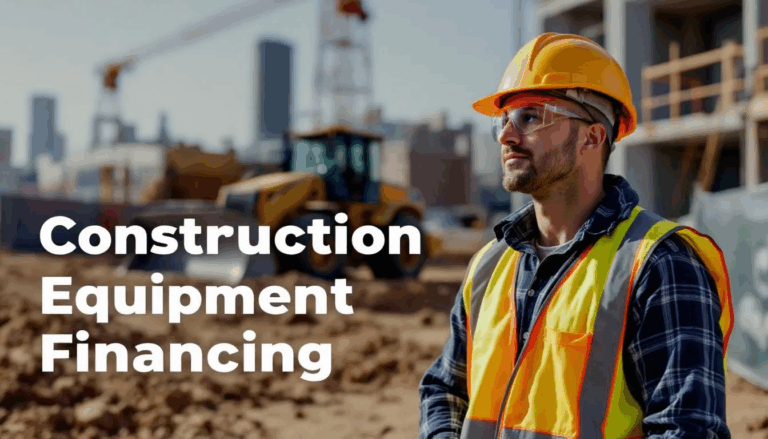
Equipment is one of the significant expenses that a contractor may face. Operating a construction/contracting business requires regular equipment upgrades and the addition of more equipment as the business demand requires it. And without the right equipment, your business can falter. If you’re looking at financing for this part of your small business expenses, it’s essential to understand the key

A working capital loan is a good financing tool to use as a strategy to bridge the financial gaps your contracting business may experience. These loans are structured as a short-term financing option. This is an excellent choice for small businesses to help with cash flow issues. To understand how these business loans work and what you need to know
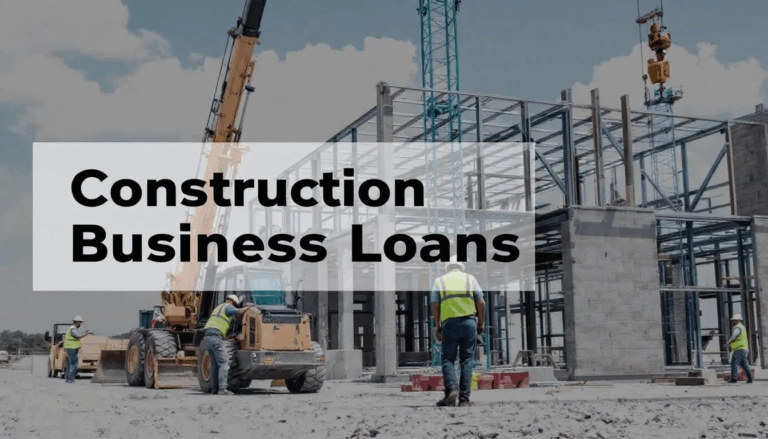
Operating costs for your construction/contracting business sometimes call for strategic lending solutions to help you invest in growing your company. This may be necessary as you start your business or as it begins to grow larger. Small business loans for construction companies are commonly used for this purpose.
If you need cash flow to help you meet goals to continue